Clay Soil Fighting Your New Plantings? How Central Illinois Gardeners Build Beds That Actually Drain
QUICK ANSWER: Clay soil holds water because its particles are tiny and packed tight, so roots sit in soggy ground with little air. The fix is not to dig a hole and fill it with fancy potting mix, and it is not to stir in sand. Instead, loosen a wide area rather than a single hole, mix in plenty of compost or other organic matter, build the bed up above the surrounding grade, and choose plants that tolerate Central Illinois clay. Planted this way, a bed drains after spring storms, stays workable through summer heat, and survives freeze and thaw in winter.
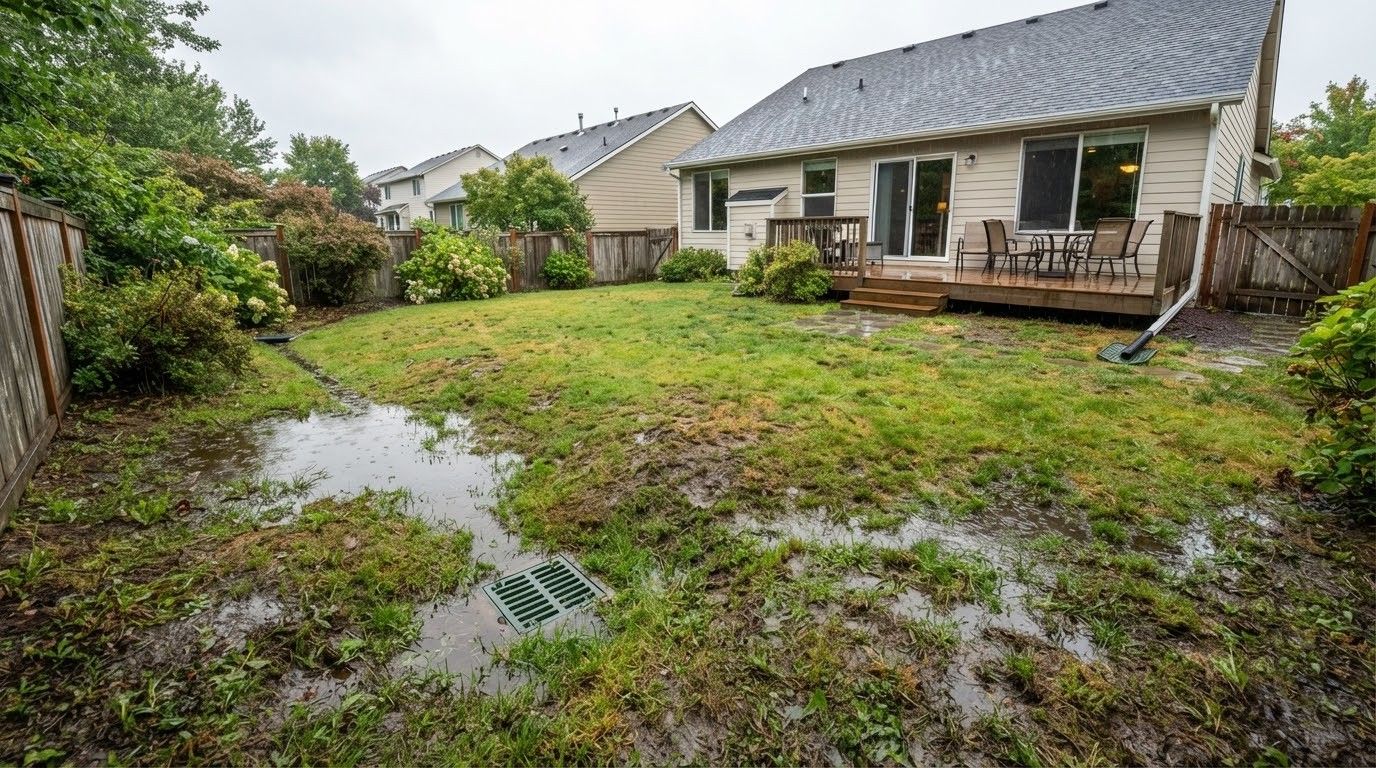
Every spring the same scene plays out across Champaign, Urbana, and Savoy. A homeowner brings home a trunk full of perennials and a couple of shrubs, picks a sunny spot along the foundation, and pushes a shovel into the ground. The blade stops after a few inches. What comes up is a heavy, sticky, gray brown lump that holds its shape like modeling clay. The plants go in, they get a good watering, and for a few weeks everything looks fine. Then a week of April rain arrives, the leaves turn yellow, and by midsummer half of the new planting is gone.
It is tempting to blame a black thumb. It is almost never that. The soil in most Central Illinois yards is the real opponent, and a plant dropped into it without any preparation is fighting a battle it was never built for. This guide explains what clay does to roots, how to read your own soil before you buy a single plant, and how to build beds that drain properly so that new plantings can settle in and thrive.
Why Clay Soil Is So Hard On New Plants
Soil is made of mineral particles of different sizes, and the size matters a great deal. Sand particles are relatively large and leave big gaps between them. Silt is finer. Clay particles are the smallest of all, so small that they pack together with very little space in between. The spaces in soil are called pores, and pores are where water, air, and roots live.
In clay, the pores are tiny. Water enters slowly, and once the soil is wet it drains slowly too. A clay soil that has been saturated by a spring storm can stay waterlogged for days. That is a problem because roots need oxygen just as much as they need water. When every pore is full of water, there is no air for the roots to breathe, and the plant begins to suffocate from the roots up. Yellowing leaves, wilting on a day that is not hot, and a general lack of growth are all common signs.
Clay has a second personality in the other direction. When it dries out in a hot, humid summer followed by a dry stretch, it shrinks, hardens, and cracks. The surface can turn almost as firm as a brick. Water then runs off the surface instead of soaking in, and the roots of young plants find themselves in a layer that is too hard to push through. So the same soil that drowns plants in May can starve them in August.
Add in freeze and thaw. Central Illinois winters swing above and below freezing many times between December and March. Wet clay expands as it freezes and contracts as it thaws, and that movement can heave shallow rooted plants right up out of the ground, exposing the roots to cold air. Perennials planted late in fall are especially at risk.
None of this means clay is bad soil. It is rich in minerals and holds nutrients well, which is why the prairie that once covered this part of the state grew such deep, dense plant life. The goal is not to replace clay. The goal is to work with it so that roots get the air and drainage they need.
Start By Reading Your Soil Before You Buy Plants
Before you spend a dollar on plants, spend a few minutes learning what you actually have. Soil varies from one yard to the next, and even within a single lot, a bed near the house may be very different from one near the back fence, where builders may have buried fill or scraped away topsoil.
The Squeeze Test
Take a handful of slightly damp soil and squeeze it into a ball. Open your hand. If the ball holds its shape and you can press it into a smooth ribbon between your thumb and finger, you are dealing with a lot of clay. If it crumbles when you poke it, the soil has more sand or silt in it.
The Drainage Test
Dig a hole about a foot deep and fill it with water, let it drain, and then fill it again. Watch how long the second filling takes to disappear. If water is still standing in the hole many hours later, drainage is poor, and a bed in that spot needs more than a little compost. If it clears within a few hours, you have more flexibility.
If you are unsure what your soil needs in terms of nutrients, a soil test through the local University of Illinois Extension office can tell you about acidity and fertility. It will not tell you how well the soil drains, but combined with the squeeze and drainage tests, it gives you a good picture of what you are working with.
Why Sand And A Single Big Hole Both Backfire
Two well meant habits cause more failed plantings in clay than almost anything else, so they deserve a closer look.
Stirring In Sand
It seems logical. Clay is sticky and sand is loose, so mixing them should create something in between. In practice, small amounts of sand mixed into clay can make the soil tighter, not looser. The sand fills the few pores that clay had, and the result behaves more like a dense, concrete like material. To change the behavior of clay with sand, you would need to add so much that you would be building a new soil rather than amending the old one. Landscapers and horticulture experts generally steer gardeners away from the idea.
Digging A Single Deep, Amended Hole
This one is subtle. A gardener digs a hole, mixes the clay with rich potting soil, and sets the plant in it. The amended soil in the hole drains well, but the clay around it does not. Water moves into the hole easily and then has nowhere to go. The planting hole becomes a bathtub. Roots sit in standing water, and the plant drowns even though it was planted in good soil. Over time, roots also tend to circle inside the amended zone rather than reaching out into the surrounding clay.
The better approach is to prepare a broad area, not a pocket. When the whole bed is loosened and amended, water can move sideways and down through a consistent zone, and roots can spread without hitting a wall.
Build Up, Not Just Down: The Raised Bed Approach
If there is one change that makes the biggest difference in a clay yard, it is raising the planting zone above the surrounding grade. Lifting the bed even several inches gives roots a layer that drains faster than the clay beneath, and it keeps the crown of the plant out of any standing water.
Mounded Beds
The simplest version is a bed that is shaped into a gentle mound, higher in the center and tapering to the lawn at the edges. The slope sheds excess water and the center stays drier. This works well for foundation plantings and larger perennial borders, and it blends naturally into a landscape.
Framed Raised Beds
For vegetable gardens and cutting gardens, a framed bed with sides of timber, stone, or block gives a clean look and a clear edge. A raised bed in Central Illinois typically works well at a height of 6 to 12 inches, deep enough to give roots a real layer of good soil to grow in. Deeper beds make sense for plants with long roots or when the ground beneath is very poor.
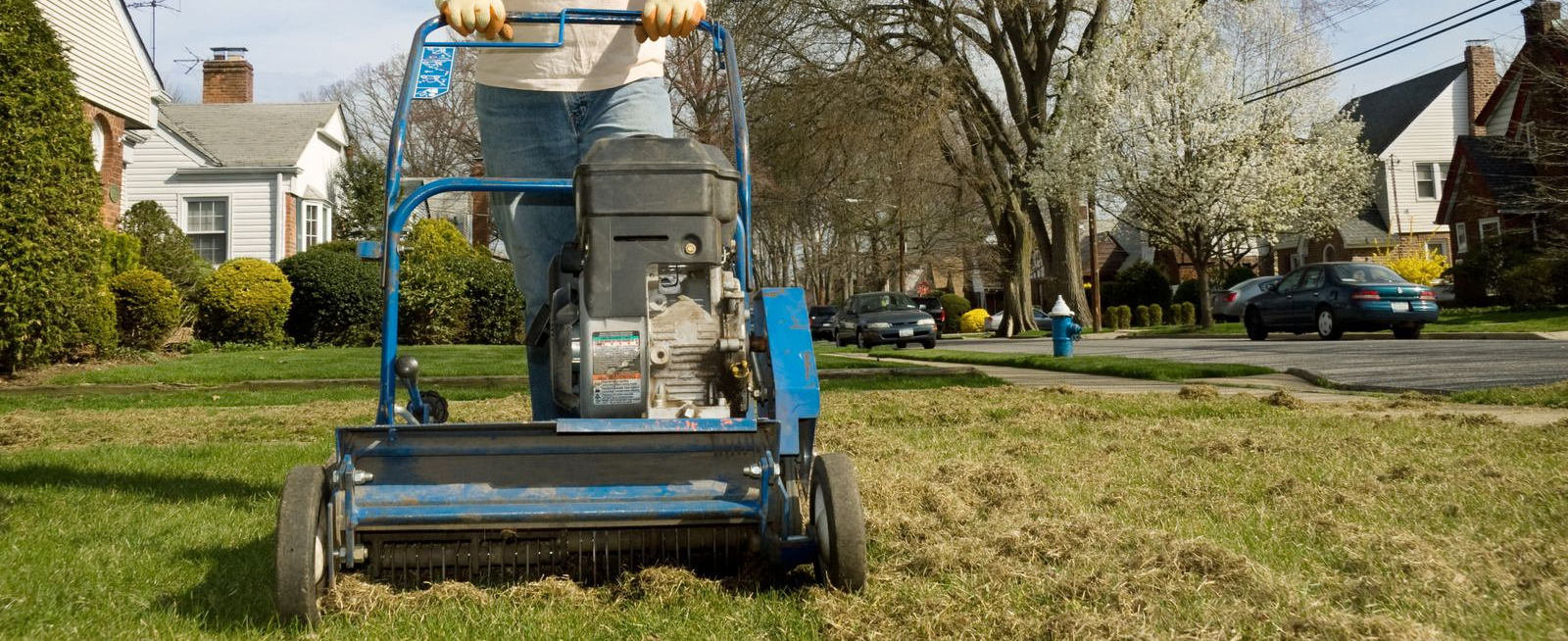
Whatever style you choose, the key is to loosen the clay beneath the bed before adding soil on top. If you set a layer of good soil directly over compacted clay, you create a sharp boundary where water stalls, much like the single hole problem. Break up the top several inches of clay with a fork or tiller so that the new soil and the old soil blend gradually at the bottom of the bed.
TIP: Never work clay when it is wet. Squeeze a handful. If it forms a sticky ball, wait. Digging or tilling wet clay smears the soil, destroys what little structure it had, and leaves clods that dry into hard lumps. Wait until the soil crumbles when you squeeze it.
Organic Matter Is The Real Soil Improver
Whether the bed is raised or level, the single most helpful amendment for clay is organic matter. Compost, leaf mold, shredded leaves, aged bark, and well rotted manure all do the same basic job. As organic matter breaks down, it helps clay particles clump into larger crumbs, and those crumbs create the pores that let water and air move through the soil. It also feeds the earthworms and microbes that keep the soil loose over time.
A few principles help:
Use A Wide, Shallow Blend
Spread several inches of compost across the entire bed, then work it into the top 8 to 12 inches. Aim for an even soil mixture.
Keep It Proportional
Organic matter should significantly improve the top layer while retaining native soil. Start with roughly one part compost to two or three parts native soil.
Add More Every Year
Organic matter breaks down quickly during Illinois summers. Add compost each spring or fall to maintain soil improvements and make digging easier after several seasons.
Choosing Plants That Suit Central Illinois Clay
Soil preparation matters, but plant choice matters just as much. Some plants tolerate or even prefer heavy soil, and building a bed around them stacks the odds in your favor. Native prairie plants are a natural fit, since they evolved in exactly this kind of ground.
Perennials That Handle Clay Well
Purple coneflower, black eyed Susan, bee balm, daylily, hosta, sedum, switchgrass, little bluestem, and sedges generally tolerate Illinois clay soils better than fine rooted plants.
Shrubs And Small Trees
Ninebark, dogwood, viburnum, serviceberry, and river birch tolerate heavy soil and occasional wetness, helping landscapes handle varying moisture conditions across different areas.
Plants To Be Careful With
Lavender, ornamental herbs, and drainage sensitive evergreens often struggle in clay. Plant them in raised beds or containers where drainage can be controlled.
Another point is depth. Many new gardeners plant too deep, and in clay this is especially harmful. The crown of the plant, where stems meet roots, should sit at or just slightly above the surrounding soil. Burying it invites rot, and in a clay bed that holds water, rot spreads quickly.
Planting Day And The First Season
Even a well built bed can fail if the plants are installed carelessly. A few habits make the first season go better.
Plant At The Right Time
In Central Illinois, spring and early fall offer the best planting windows. Moderate temperatures and workable soil help roots establish before summer heat or winter cold arrives.
Make A Wide, Shallow Hole
Dig about as deep as the root ball and two or three times wider. Roughen glazed clay sides so developing roots can cross the surrounding soil.
Water Deeply But Not Often
In clay soil, slow, deep watering encourages stronger roots than frequent sprinkling. Check moisture below the surface and water again when the top couple inches become dry.
Mulch, But Give Plants Room
Apply two to three inches of mulch to conserve moisture, moderate temperatures, and add organic matter. Keep mulch away from stems and trunks to prevent persistent bark moisture.
Fixing Drainage When The Whole Area Stays Wet
Sometimes the problem is bigger than the soil in the bed. If a planting area sits at the bottom of a slope, collects roof runoff, or lies in a natural low spot, even a raised, amended bed may struggle. In those cases, the water needs a path out.
Look at where the water comes from. A downspout that empties into a bed will overwhelm almost any soil, so extending it farther away or directing it toward a lawn area helps. Slope matters too. The grade around a bed should lead water away rather than into it. A small swale or a shallow channel can carry water around the planting area rather than through it.
For persistent wet spots, a buried drain line or a gravel filled trench can move water along to a better outlet. These systems work best when designed for the whole yard, because moving water from one place only pushes it to another. If your wet area is large or sits near the house, it is worth having a
landscaper look at the full picture before you plant.
WARNING: Do not plant trees or large shrubs in a depression that holds water for days. Their roots will sit in saturated soil and the tree will decline, often a year or two after planting when the cause is hard to see.
Frequently Asked Questions
Can I just add topsoil on top of clay and plant in it?
A thin layer of topsoil over unbroken clay often fails because water stalls at the boundary. Loosen the clay underneath and blend the layers so roots and water can move through. Mixed transitions work better.
Is it okay to add sand to clay soil?
Usually not. In small amounts, sand can make clay behave like concrete because it fills the few pores that exist. Organic matter such as compost is the safer way to improve structure, and keeps working.
How long does it take to improve clay soil?
You can make a bed workable in one season by loosening it and mixing in compost, but real improvement builds over several years. Adding organic matter yearly and never working wet soil keeps structure improving.
What is the best time to plant in clay soil in Central Illinois?
Spring and early fall are ideal. The soil is workable and the weather is mild, so roots can establish before heat or hard freezes. Avoid planting when clay is wet, since that damages soil structure.
Do raised beds really help with clay?
Yes. Raising the planting zone gives roots a layer of loose, well drained soil above the clay and lifts the crown out of standing water. Loosen the clay below so water can pass down through.
Building Clay Soil Beds That Drain and Thrive
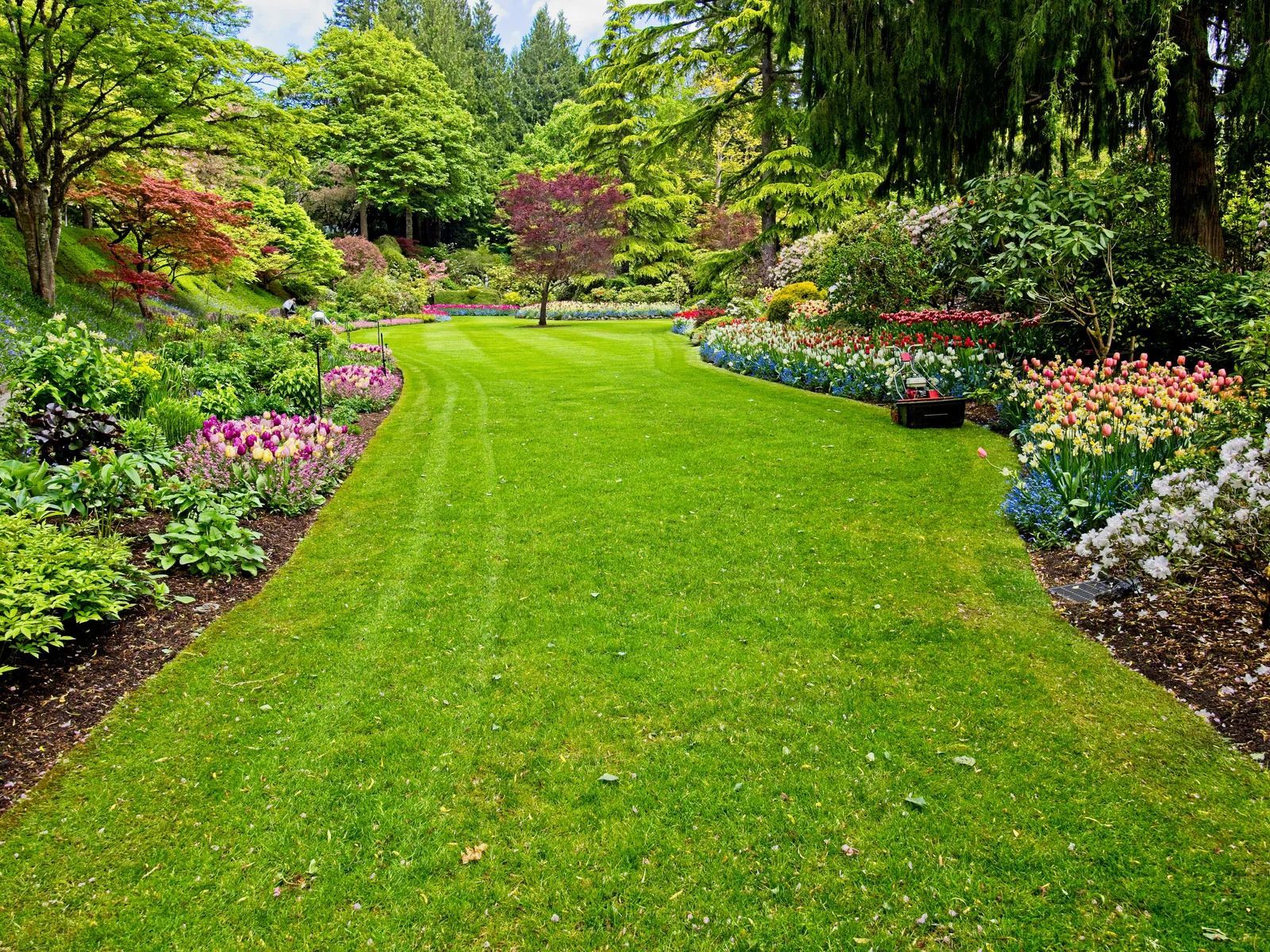
Clay soil is a challenge, but it is a manageable one. Plants struggle in it when they are treated as though they were growing in loose loam, and they thrive when the bed is designed around how clay behaves. Loosen a wide area, add organic matter, build the bed up, choose plants that suit the ground you have, and give water a clear path away. Do those things, and the same soil that drowned your first attempt becomes a steady foundation.
Chris & Company, Inc.
has spent 30
years working in Champaign, IL, and the pattern rarely changes from one yard to the next. Beds that drain well come from patient preparation, not from fancy soil bought at the last minute. Compost added each season keeps improving the ground, and plants matched to heavy soil settle in comfortably. Give a new planting that kind of start, and it rewards you through spring storms, summer heat, and every freeze and thaw.